
Shop for anything that is not brand new and you will meet the same three words: open box, refurbished, used. They sound like a scale, from almost new down to well worn. They are not a scale. They are three different kinds of statement, none of them defined by anybody in particular, and each seller gets to decide what theirs means. Here is what they usually mean, what they leave out, and why we do not use any of them as a verdict.
Open box: somebody opened it
Open box is the sweet spot of returns and the vaguest of the three words. It tells you one physical fact: the seal is broken. The item was bought, opened, and sent back, often within days and sometimes without ever being used. It cannot be sold as new again, so it goes to liquidation, and that is the entire claim.
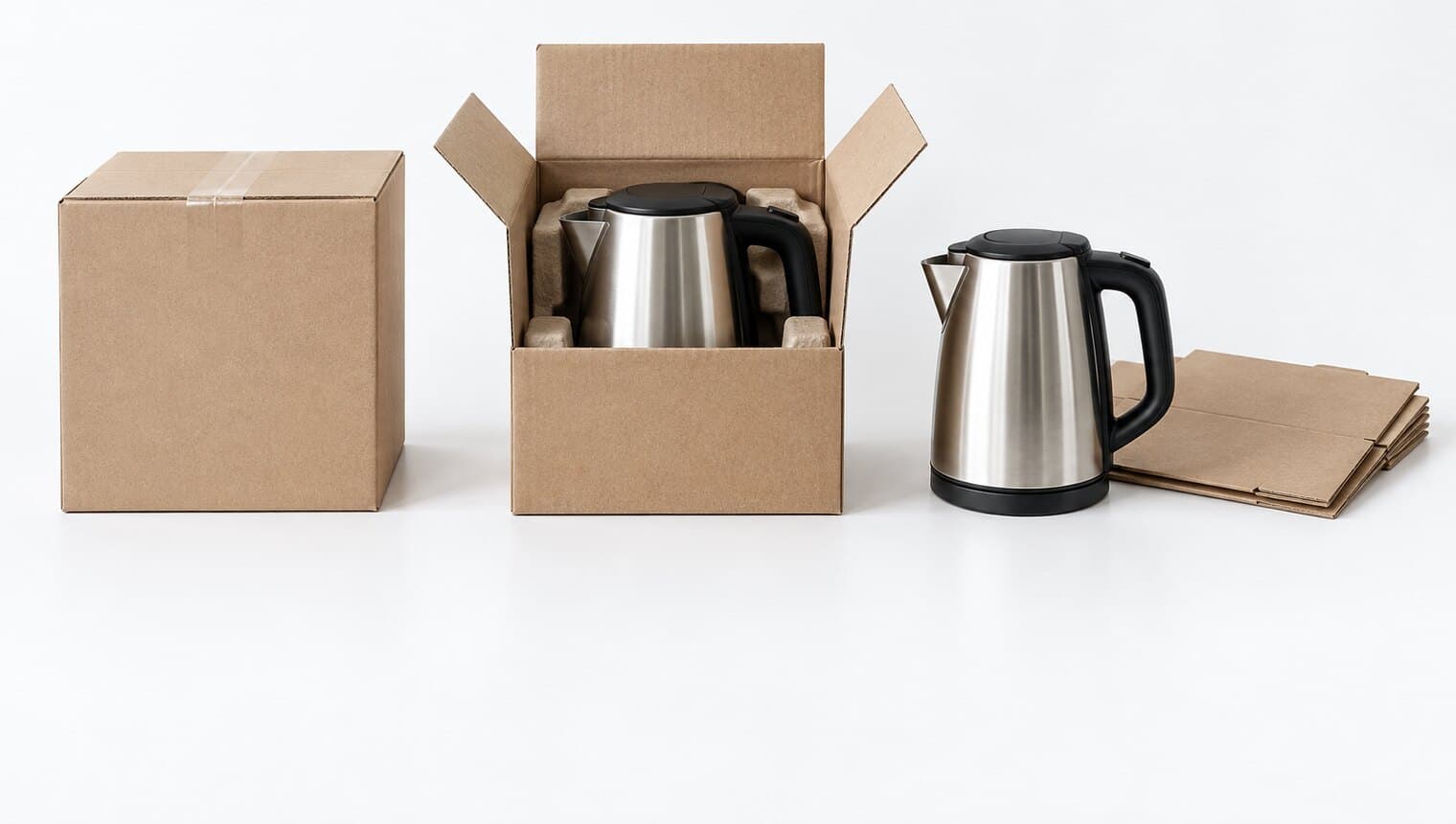
What it does not tell you is whether anyone touched the product inside. An open box unit can be a kettle still in its moulded insert with the plastic film on the lid, returned because the colour was wrong. It can also be a kettle that boiled water in somebody’s kitchen for a fortnight before going back. Same two words, same price band, completely different purchase. The box is the only thing the phrase is actually about.
Refurbished: somebody worked on it
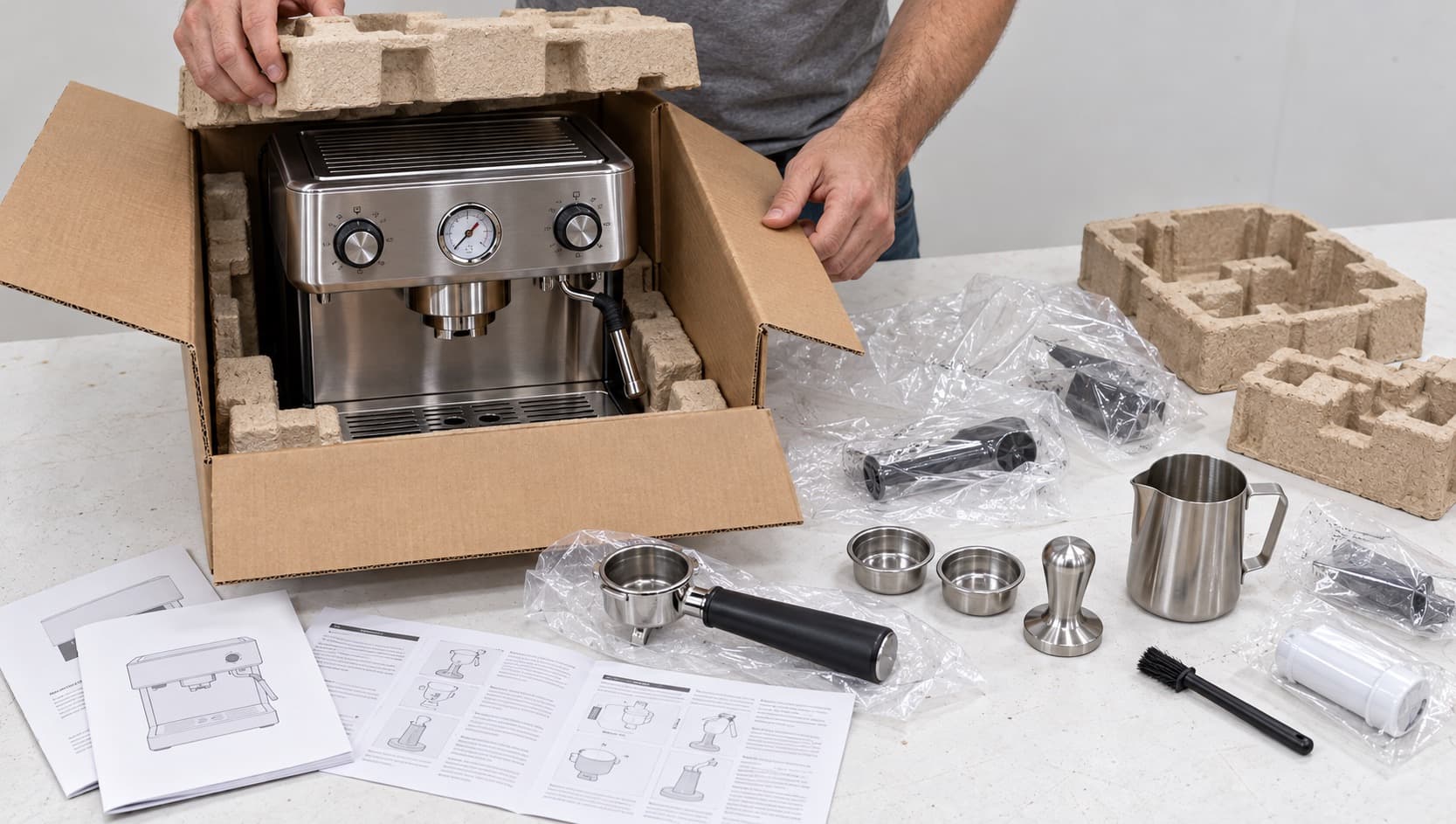
Refurbished is the one word of the three that describes an action rather than a state. Somebody took a unit that was faulty, incomplete or simply returned, and did something to it: replaced a part, reset it to factory settings, cleaned it, repacked it, tested it against a checklist. The word says work happened. It does not say what the work was, or who did it.
That is why the useful question about a refurbished item is never what shape it is in. It is who refurbished it and what they will stand behind. A manufacturer refurbishment usually comes with a warranty, and the warranty is the real product: a promise that if the thing fails, somebody else pays. A refurbishment by a repair shop may come with its own, shorter cover. A refurbishment by nobody in particular, with no warranty attached, is a word on a listing.
Bidvana does not refurbish anything, and we do not use the word. We do not open units up, swap parts or reset firmware. We clean them, and we report what we find. Any manufacturer coverage on a unit is between you and the manufacturer, and we make no claim about it. What we stand behind is our own description, which is a narrower promise and one we can actually keep.
Used: somebody lived with it
Used is the honest one, and the least informative. It means the item was owned and operated for a while: months, years, a single summer. Nobody is pretending otherwise, which is refreshing, and the price usually reflects it.
The gap in used is the same gap as in the other two. A used vacuum could be two years old and immaculate, or two years old with a cracked housing and a missing crevice tool. The word covers both. And because used has no upper bound, it is the word sellers reach for when they do not want to be specific, which makes it the hardest of the three to shop against.
Side by side
| Comparison | What the word usually means | What Bidvana shows instead |
|---|---|---|
| Open box | The seal is broken and it cannot be sold as new. Nothing about whether the product was used, complete or working. | Packaging scored Retail box in clean shape, Retail box worn or Retail box damaged, plus a separate score for how it looks, whether it works and what is in it. |
| Refurbished | Somebody repaired, reset or repacked it. The word says work happened, not what the work was or who will stand behind it. | Nothing. We do not refurbish, so we never print it. We print what the unit is now, and our own 3-day condition guarantee behind it. |
| Used | It was owned and operated for a while. No upper or lower bound: immaculate and badly worn both qualify. | The cosmetic word the inspector chose, from No marks to Damaged or cracked, with a photo of the mark behind any low score. |
| Factory sealed | Usually accurate, and usually the one word worth trusting, though it still says nothing about what is inside the seal. | Packaging scored Factory sealed, and a note that nobody opened it, so the functional row reads as not tested rather than as working. |
Why one word can never do the job
Each of those three words answers a different question. Open box is about the packaging. Refurbished is about work somebody did. Used is about time. A shopper deciding whether to buy a particular unit needs the answers to all three at once, plus two more nobody has a word for: is everything that belongs in the box still in it, and how clean is it.
That is the structural problem with condition labels, not a failure of any one seller. Compress five facts into one adjective and you have to throw four of them away, and the four you throw away are the ones that would have decided the purchase. A missing power cable and a scuffed lid are not the same problem, and no single word can hold both.
What we print instead
An inspected Bidvana unit carries five scores, one per facet, each chosen as a word rather than a number by the technician who held it: cosmetic, functional, completeness, cleanliness and packaging. Those five are the condition. There is no overall label above them, no letter, no star average that balances a cracked lid against a spotless bowl.
Any score of 3 or lower has to carry a photo of that exact thing on that exact unit, so a claim about wear is something you look at rather than take our word for. How to read a condition report goes through every word on all five scales, and the scoring rules are the formal reference the product pages follow.
So what is an open box unit on Bidvana?
It is a packaging score, and nothing else. A unit whose carton was opened scores Retail box in clean shape, Retail box worn or Retail box damaged on packaging, depending on the state of the cardboard, while cosmetic, functional, completeness and cleanliness are each scored on their own evidence.
So the two kettles from earlier stop being the same listing. The untouched one reads Retail box worn on packaging, No marks on cosmetic, Everything present on completeness, Spotless on cleanliness, and it is priced a short way below sealed. The one that boiled water for a fortnight reads Faint marks, maybe Needs a wipe, and if the descaling filter never made it back into the carton, Missing a minor accessory. Both were open box. Only one of them was the deal you thought you were getting.
The price follows the same split. Each facet that scored below perfect takes a set amount off the current retail price, and the facets that change what you get move it most: a missing accessory or a functional quirk costs more than a worn carton, and cleanliness barely moves it because we clean the unit before it ships.
How to shop for a gift
Buying for somebody else is the one case where the packaging genuinely matters, because they will see the box before they see the product. Two ways to shop for it:
- Factory sealed. The sealed filter shows only units we found still sealed when we opened the case, mostly overstock rather than returns. The seal does the talking and nobody has to know where you bought it.
- Perfect unit, presentable box. Filter for cosmetic 5 and completeness 5 with the retail box. That is No marks, Everything present, and a carton that still exists. Check the packaging chip to see whether the box is clean or worn, and read the inspector’s note, which usually says which corner is crushed.
One warning worth stating plainly: do not give a Final sale unit as a gift. Final sale means a major fault, a crack or a missing core part, named on the listing, and it cannot be returned. Those are often the best value on the site for yourself. They are a poor thing to wrap.
The short version
Open box is about a box. Refurbished is about work, and a warranty is the part that matters. Used is about time and tells you almost nothing. None of the three is a lie, and none of them is enough. Five scores, five words, a photo behind every low one, and a 3-day guarantee if we got any of it wrong: that is what we print instead, and it is why we never have to ask you to trust an adjective.